
The Installer Report
PPF Is No Longer Invisible — It’s Becoming a Style Product
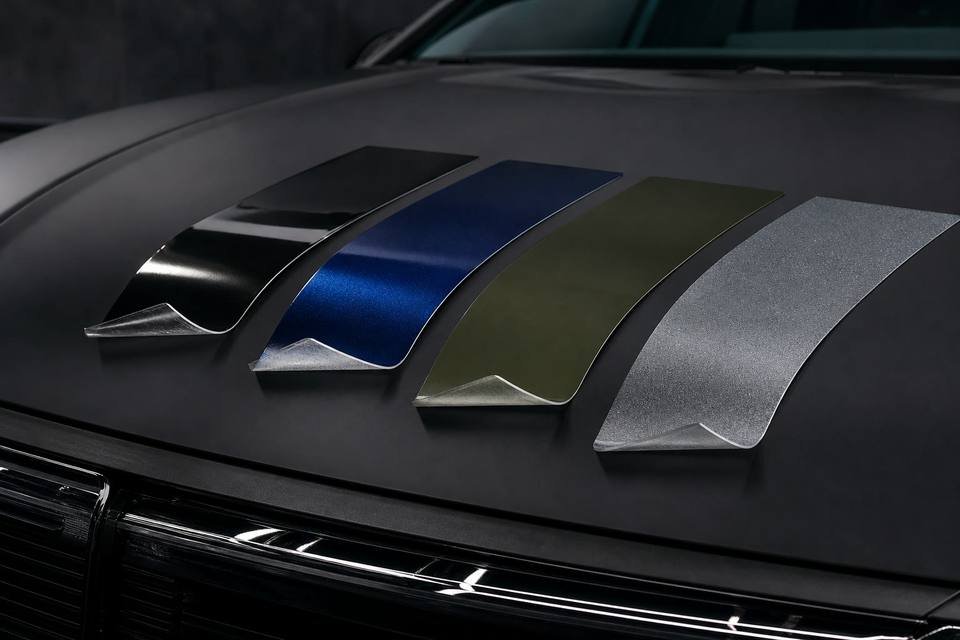
PPF used to be a quiet protection buy. Now it’s creeping into the style lane—finish, look, and identity—changing how shops should package, price, and sell it.
By : Woody Nahili
Illustration by Installer Report
Hook (hard, scroll-stopping)
If you’re still selling PPF like an insurance policy, you’re late.
More buyers aren’t buying “protection.” They’re buying a look—stealth finishes, satin/matte aesthetics, and a “factory-plus” identity—and protection is the rational justification that makes the spend feel responsible.
That shift changes everything: your package architecture, your content strategy, and the way you prevent post-install disappointment.
What’s happening
PPF historically lived in the invisible category:
- Clear protection
- Rational purchase
- Sold with fear (chips, resale, paint repair)
Now the category is moving. You can see it in the language customers use and the content they consume:
- “Can you do it in matte?”
- “I want that stealth look.”
- “I don’t want it shiny.”
- “I saw this finish on a Tesla/BMW/G-Wagon.”
Wrap shops have sold style forever. PPF shops sold protection. The line is blurring.
When the line blurs, “front end vs full body” is no longer the best entry point. You have to lead with finish and aesthetic outcome, then route to coverage.
Why it matters (for installers)
1) Style buyers are premium buyers, but they require clarity
Style buyers are often willing to pay. But they are also more likely to have a specific mental picture of what they want.
That creates two common failure modes:
- The buyer expects a different finish behavior in different lighting.
- The buyer underestimates maintenance differences and gets annoyed.
Your job is to set expectations clearly so you keep margin without refunds, touch-ups, or reputation hits.
2) Delivery experience becomes part of the product
When PPF is a look, the delivery is not “protected.” The delivery is “transformed.”
That means:
- controlled lighting at delivery,
- a walkthrough that explains what they’re seeing,
- and aftercare notes that prevent “this looks wrong” callbacks.
This isn’t fluff. It’s dispute prevention.
3) You need packages that match how customers choose
Protection-first packages:
- front-end
- full-front
- full-body
Style-first packages should be:
- Finish-first (clear vs stealth)
- Vehicle-first (Tesla packages, truck packages)
- Use-case-first (daily driver, off-road, show)
Otherwise you force a style buyer into a coverage conversation that feels like commodity quoting.
4) Wrap shops will take your style customer if you don’t own the category
Wrap shops already win style psychology. If customers think stealth PPF is “just another wrap-like look,” they’ll shop price.
Your differentiation is:
- finish longevity,
- protection claims (without overpromising),
- and craftsmanship standards.
You must communicate that in an operator-level way, not in brochure language.
What to do this week (actionable)
1) Build a finish menu that is simple and local
Create a single sheet/page with:
- 2–3 finish options (don’t overload)
- real local install photos (not vendor photos)
- “who it’s for” bullets
- a clear starting price anchor
If a buyer can’t understand it in 30 seconds, it won’t convert.
2) Change your intake questions
Instead of starting with “coverage,” start with:
- “Are you trying to keep it stock or change the look?”
- “Do you prefer gloss, satin, or matte?”
- “Is this a daily driver, off-road, or show vehicle?”
Then route to coverage and add-ons.
3) Produce one week of finish-first content
Shoot four pieces:
- Matte vs gloss in mixed lighting
- “What stealth actually looks like at night”
- Aftercare myths (what matters, what doesn’t)
- Your QC process (edges, seams, inspection)
Style content with proof converts without discounting.
4) Write a one-paragraph “expectations contract”
Put it in the estimate and delivery:
- what the finish will look like,
- what is normal,
- what is not,
- and what aftercare prevents issues.
That’s how you scale premium style installs without scaling problems.
Related reports
 People
Barry Atkins Is Running Point on WFCT 2026 — Meet the President Selling the Floor
Key Media & Research president Barry Atkins is the name behind WFCT exhibit and sponsorship sales heading into San Antonio Aug. 26–29. Here’s who he is, how he got the job, and why operators should care who packs the booth wall.
 People
Tint Wiz’s Erik Devash Enters the Window Film Hall of Fame — Why Software Just Became Ceremony
WFCT will induct Tint Wiz founder Erik Devash on Aug. 27 in San Antonio. Here’s what that honor signals for shop software stacks, Fullsteam-era consolidation talk, and who owns the installer OS.
 Industry
Who’s Actually on the WFCT 2026 Floor: The Operator Guide to Sponsors and Booth Gravity
XPEL, Eastman, Avery, Solar Gard, Terminax, Tint Wiz, insurers, and a long Topaz wall—here’s how to walk the San Antonio floor with a buy list instead of a tote bag.
Get the weekly briefing operators actually read.