The Installer Report
Truck and Off-Road Builds Are Becoming PPF’s Biggest Revenue Driver
Off-road and truck customers have a protection problem and a willingness-to-pay problem—in your favor. Package it correctly and it becomes repeatable volume at premium ticket.
By : Saadi E. Zemmouri
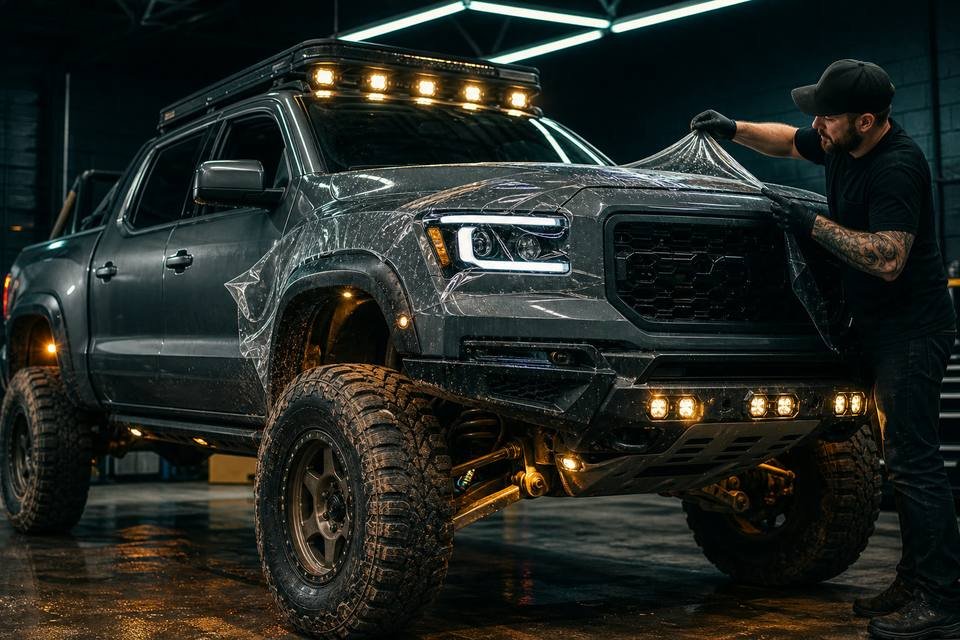
Illustration by Installer Report
Hook (hard, scroll-stopping)
The fastest way to misprice PPF right now is to treat a built truck like a stock sedan.
Truck and off-road customers don’t “maybe” get rock chips. They expect impact. They use the vehicle. They already spend on parts. And they are willing to pay to keep the build looking expensive.
If you sell them the right package with the right expectation framing, this segment becomes a revenue driver that doesn’t depend on luxury-car vanity.
What’s happening
Off-road and truck builds amplify three things:
- Surface area and exposure (hoods, bumpers, rockers, flares)
- Damage probability (gravel, brush, road salt, towing, highway miles)
- Buyer mindset (they already invest; they protect investments)
That combination creates high-intent protection demand. But it also creates install complexity:
- aftermarket bumpers and accessories,
- textured plastics,
- aggressive edges,
- and unpredictable labor time.
Shops that treat it like “just another front end” lose margin. Shops that treat it like a productized build-protection package win.
Why it matters (for installers)
1) Ticket size scales with complexity if you price it correctly
These customers often want:
- larger coverage,
- additional zones (rockers, A-pillars, flare edges),
- and add-ons that protect the look (coating, maintenance kits).
The mistake is to quote it like a normal job and then discover it’s a custom install with accessory headaches.
2) You need accessory policy or your schedule becomes chaos
Trucks come with variables. Without a policy, your bay becomes a negotiation:
- “Can you remove this light bar?”
- “What about the flare?”
- “Will it fit with the bumper?”
Policy protects your installers and your calendar.
3) Referral loops are stronger in build communities
Build customers talk, post, and refer. A single well-delivered job can create a mini pipeline—if you capture the content and set the expectations so you don’t get dragged into free touch-ups later.
What to do this week (actionable)
1) Create a truck/off-road package ladder
Offer 3 simple packages:
- Trail Front (high-impact zones + rockers)
- Full Front + Rockers
- Build Protection (custom zones + accessory plan)
Make the ladder obvious so your estimator doesn’t freestyle.
2) Publish an accessory pricing policy
Write it down:
- what you remove,
- what you won’t remove,
- what adds labor,
- what requires reschedule,
- and how pricing changes.
This reduces conflict and protects margin.
3) Build content that matches their identity
Don’t post only glossy “luxury” content. Post:
- gravel-road framing,
- “what PPF prevents on trucks,”
- edge strategy around flares,
- and honest aftercare notes for hard use.
Truth content converts this segment.
4) Partner with referral nodes that already own the customer
Target:
- off-road shops,
- wheel/tire shops,
- lift/4x4 installers,
- and local build communities.
Give them a one-page package sheet and a clean referral script. This is how you buy demand without buying ads.
Related reports
 Market
Window Film’s 2026 Market Shift: Ceramic Became the Professional Default
Mid-July industry analysis points to ceramic film as the stocked standard—driven by price compression, installer education, and EV/building demand—not marketing decks. What distributors and shops should stock next.
 People
Barry Atkins Is Running Point on WFCT 2026 — Meet the President Selling the Floor
Key Media & Research president Barry Atkins is the name behind WFCT exhibit and sponsorship sales heading into San Antonio Aug. 26–29. Here’s who he is, how he got the job, and why operators should care who packs the booth wall.
 People
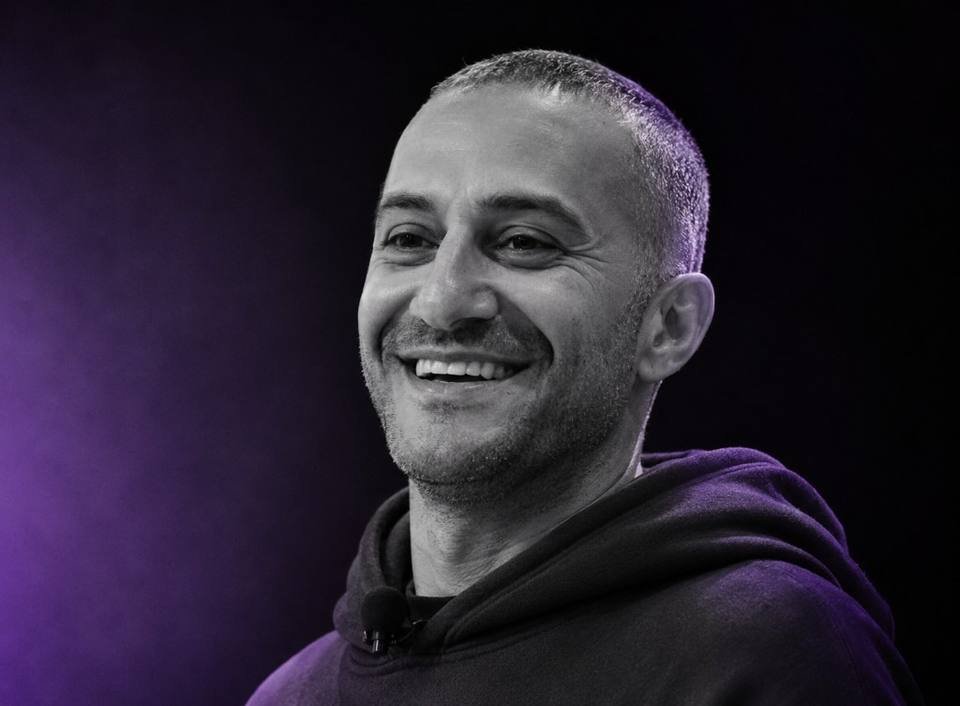
Tint Wiz’s Erik Devash Enters the Window Film Hall of Fame — Why Software Just Became Ceremony
WFCT will induct Tint Wiz founder Erik Devash on Aug. 27 in San Antonio. Here’s what that honor signals for shop software stacks, Fullsteam-era consolidation talk, and who owns the installer OS.
Get the weekly briefing operators actually read.